When buying industrial equipment, many people naturally think:
Higher power means better performance. Higher price means better quality.
But laser cleaning machines are a good example that this logic does not always work.
A 3000W machine is not always a better choice than a 300W machine.
Sometimes, choosing a higher-power machine means spending more money on a solution that does not actually fit your application.
And sometimes, choosing a lower-power machine is not about saving money — it is about choosing the right technology.
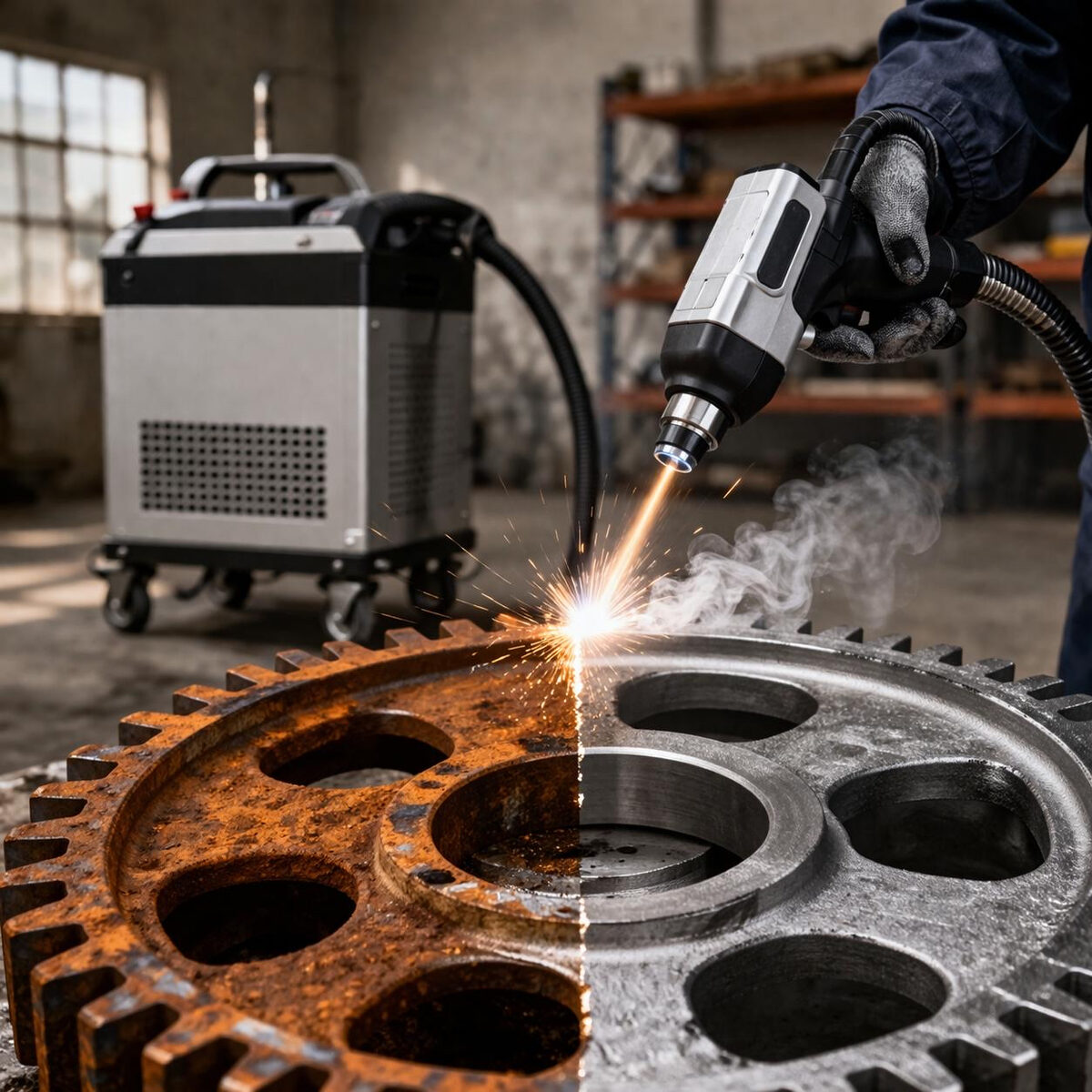
Recently, one of our customers was exploring laser cleaning technology for cleaning contractors.
At first, the question seemed simple:
“How powerful should the machine be?”
300W?
1000W?
3000W?
But after comparing different solutions, we found that the real question should be:
What exactly do you need to clean?
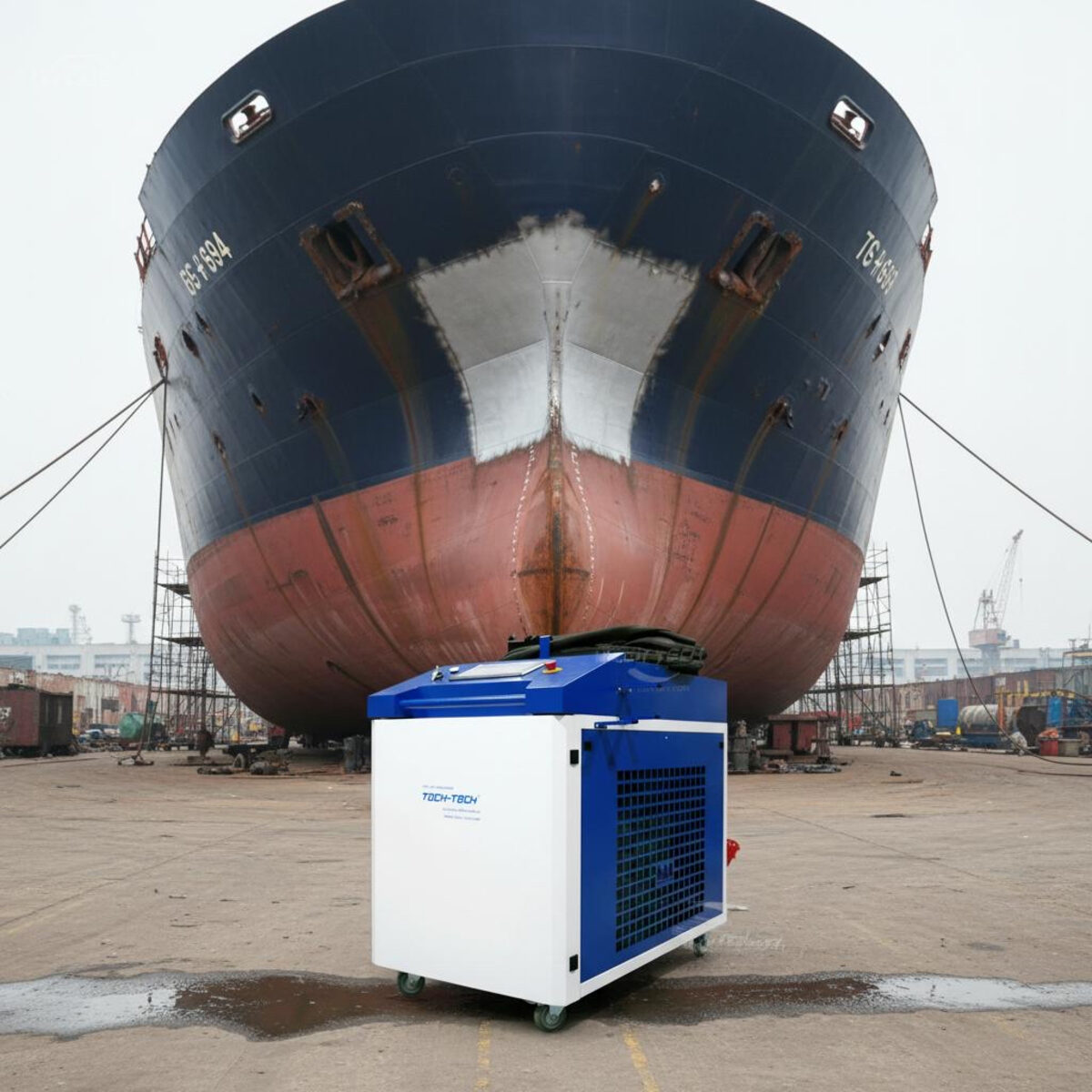
For example, imagine you are working on a large industrial project, such as removing rust from ships, steel structures, or heavy equipment.
In this situation, the priority is efficiency.
You need to remove a large amount of rust, paint, or coating as quickly as possible.
A high-power continuous laser cleaning machine can be a better choice.
These machines are designed for large surfaces and heavy-duty industrial cleaning.
However, let’s change the situation.
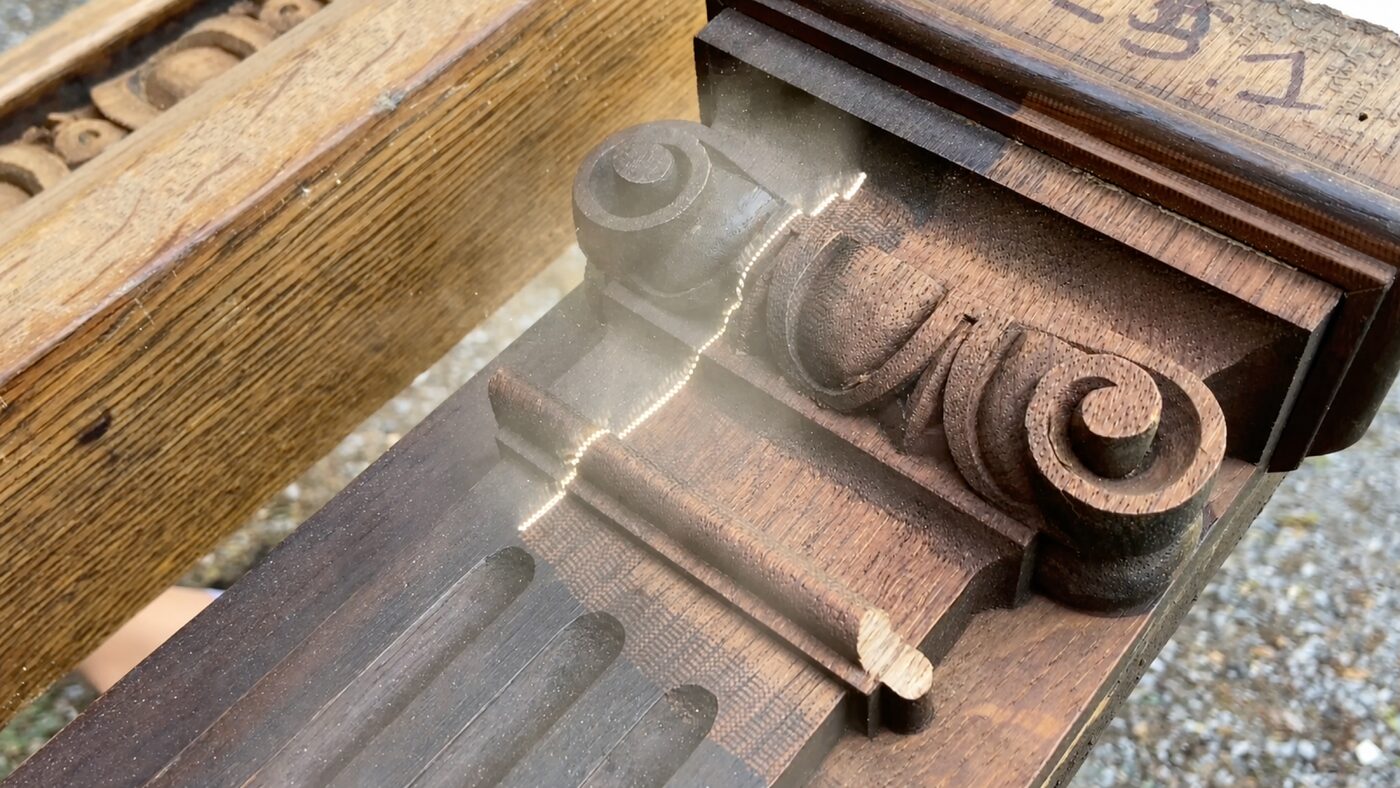
Imagine you are working on a historical building restoration project.
You need to clean sandstone, stone sculptures, or delicate surfaces.
In this case, the most powerful machine may not be the best machine.
Because the goal is not simply to remove material.
The goal is to remove the unwanted layer while protecting the original surface.
This is where pulsed laser cleaning technology becomes valuable.
With lower power but more precise control, pulsed laser systems are suitable for applications where accuracy and surface protection are more important than speed.
This is also why laser cleaning machines can have very different prices.
A more expensive machine is not necessarily a better investment.
A cheaper machine is not necessarily a compromise.
The real question is:
Are you paying for features you actually need?
Buying a 3000W industrial machine for delicate stone restoration may mean you are paying more but getting the wrong solution.
Buying a 300W precision machine for large-scale ship rust removal may save money initially but fail to meet your efficiency requirements.
So when choosing a laser cleaning machine, don’t start with:
“How many watts should I buy?”
Start with:
“What problem am I trying to solve?”
Because the right equipment is not the most powerful one.
It is the one that matches your real working environment.
At PIMOLINK, we help companies understand different technologies and connect with suitable manufacturers in China.